
Why is fabric selection so important in a suit?

Why is fabric selection so important in a suit?
A suit is one of the most defining pieces of men's clothing. With its posture, message, and timeless impact, it's more than just a garment; it's a means of representation. However, there's a fact often overlooked: what makes a suit good or mediocre is less about the cut or color at first glance, and more about the fabric used.
Fabric choice directly determines how the suit will look on the body, how comfortable it will feel throughout the day, and how well it will retain its shape over the years. Therefore, fabric is not a detail, but the central element of the decision when choosing a suit.
The fabric determines the character of the suit.
Each fabric has its own unique language. Some offer a firm and sharp stance, while others provide a softer, more flowing, and comfortable look. Two suits sewn with the same pattern can create completely different impressions simply due to the difference in fabric.
For example, a wool-heavy suit creates a classic and strong silhouette, while a linen blend offers a more relaxed, summery, and natural feel. This difference is not only visual; it directly affects the user experience throughout the day.
The Secret Key to Comfort: The Right Fabric Structure
When we think of suits, we usually think of elegance, with comfort often considered secondary. However, a quality suit must be as comfortable as it is stylish. In this regard, the breathability, flexibility, and skin-friendly properties of the fabric are of paramount importance.
A well-chosen suit fabric won't constrict the body, cause sweating, or restrict freedom of movement throughout the day. This difference is particularly noticeable during extended use, in meetings, or at special events.
Why is choosing the right fabric for the season so critical?
Not every fabric is suitable for every season. Even suits described as suitable for all four seasons contain varying proportions of fibers. Lightweight fabrics preferred in summer may not perform the same in winter.
Choosing fabrics unsuitable for the season will both shorten the lifespan of a suit and detract from its perceived style. A heavy fabric will cause it to lose its shape in the summer months, while a thin fabric may look inadequate in the winter.
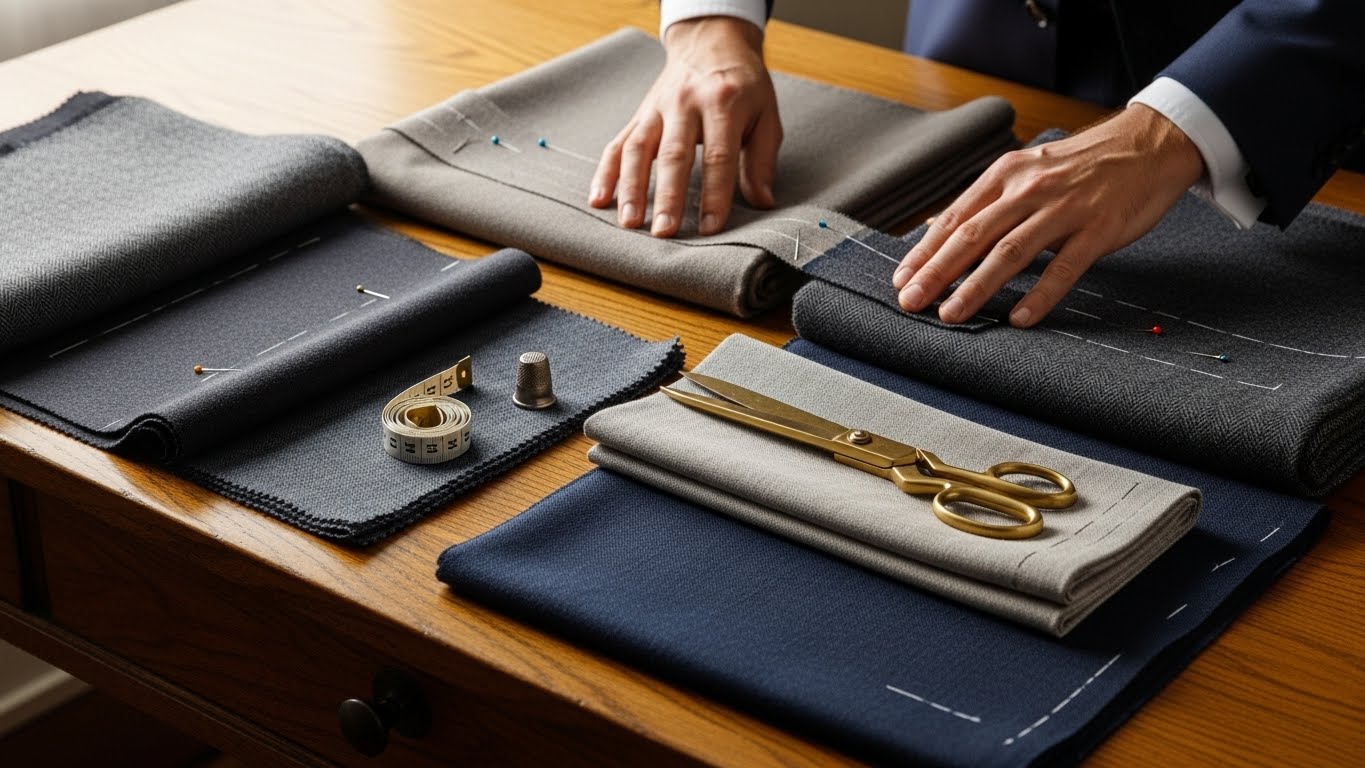
The fit of a suit is determined by the fabric.
The way a suit falls from the shoulder, the flow of the trouser legs, and the way the jacket maintains its shape are all entirely dependent on the fabric's construction. A quality fabric adapts to body movements and prevents the suit from losing its shape throughout the day.
Especially in classic and double-breasted suits, the structured feel of the fabric is a crucial complement to the style. Therefore, when choosing a suit, not only the model but also the texture and weight of the fabric should be considered.
Fabric Quality for Long-Lasting Use
A suit isn't a piece of clothing that wears out quickly. If chosen correctly, it can last for years. However, fabric quality plays a crucial role. Low-quality fabrics pill, lose their shape, and become less stylish in a short time.
A high-quality suit fabric increases in value over time. With proper care, it largely retains its original appearance and gives the wearer a real investment feeling in the long run.
Style Perception and First Impressions
First impressions in a room are formed in seconds. The quality of the fabric is just as important as the color and cut of the outfit. A fabric that reflects light correctly and has a clear texture creates a conscious sense of style in the other person.
Therefore, suit fabric is not just a physical detail; it's a subtle yet powerful statement of style.
The choice of fabric for a suit forms the basis of elegance. When this is understood correctly, every suit chosen becomes more refined, longer-lasting, and more distinctive.
The Difference Between Natural Fabrics and Synthetic Fabrics
When choosing fabric for a suit, one of the most critical distinctions is whether the fabric is natural or synthetic. This difference is not merely a technical detail; it directly affects comfort, breathability, and the overall perception of quality.
Fabrics made from natural fibers are much more effective at regulating body temperature. This feature significantly reduces fatigue and discomfort at the end of the day, especially in suits worn for extended periods. While synthetic-based fabrics may seem more economical in the short term, they don't offer the same performance over the long term.
The Place of Wool Fabric in Suits
When it comes to men's suit fabrics, wool is often the first choice. The main reason for this is that wool is both durable and flexible. Wool fabric adapts to body movements and helps the suit maintain its shape throughout the day.
Wool also has a breathable fiber structure. Thanks to this feature, it offers a balanced look, keeping you cool in summer and warm in winter. Therefore, wool suits are among the most reliable options that can be preferred in all four seasons.
Why is fabric weight important?
When choosing fabric for a suit, not only the type of fabric but also its weight should be considered. Fabric weight determines how the garment will fit the body and in which season it will be most comfortable to wear.
Lightweight fabrics offer a more fluid look, while heavier fabrics provide a more substantial and robust appearance. Especially in classic suits, the weight of the fabric is one of the elements that directly affects the perceived prestige of the garment.
Choosing Fabrics for Everyday Use and Special Occasions
Not all suits are used for the same purpose. The fabric requirements for a suit preferred in everyday business life are different from those for a special occasion. Therefore, it is necessary to choose a fabric suitable for the intended use.
For everyday wear, fabrics that are more wrinkle-resistant and offer freedom of movement are preferred. For special occasions, however, the visual impact, the texture of the fabric, and its harmony with the light become more important.
The Effect of Fabric Selection on Pattern Perception
Two suits with the same cut can look completely different when different fabrics are used. The stretch and drape of the fabric directly affect how the cut is perceived on the body.
Therefore, regardless of whether it's a slim fit, modern fit, or classic cut, fabric choice is one of the most important factors supporting the success of the cut. Choosing the wrong fabric can diminish the impact of even a good cut.
Fabric Quality and Long-Term Style Investment
A suit isn't a short-term fashion item; it's a long-term style investment. To reap the rewards of this investment, you shouldn't compromise on fabric quality. A quality fabric won't lose its shape over time and will maintain its elegance for years to come.
When fabric selection is made consciously in a suit, the wearer benefits in terms of both comfort and aesthetics. This awareness ensures that the garment creates the same impact not only today but also in the future.
The Difference Between Natural Fabrics and Synthetic Fabrics
When selecting fabrics for a suit, one of the most critical distinctions is whether the fabric is natural or synthetic. This difference is not merely a technical detail; it directly affects wearing comfort, breathability, and the overall perception of quality.
Fabrics made from natural fibers are much more effective at regulating body temperature. This feature significantly reduces fatigue and discomfort at the end of the day, especially in clothing worn for extended periods. While synthetic fabrics may seem more economical in the short term, they don't offer the same performance over the long term.
The Place of Wool Fabric in Suits
When it comes to men's suit fabrics, wool is often the first choice. The main reason for this is that wool is both durable and flexible. Wool fabric adapts to body movements and helps the suit maintain its shape throughout the day.
Wool also has a breathable fiber structure. Thanks to this feature, it offers a balanced look, keeping you cool in summer and warm in winter. Therefore, wool suits are among the most reliable options that can be preferred in all four seasons.
Why is fabric weight important?
When choosing fabric for a suit, not only the type of fabric but also its weight should be considered. Fabric weight determines how the suit will fit the body and in which season it will be most comfortable to wear.
Lightweight fabrics offer a more fluid look, while heavier fabrics provide a more substantial and robust appearance. Especially in classic suits, the weight of the fabric is one of the elements that directly affects the perceived prestige of the garment.
Choosing Fabrics for Everyday Use and Special Occasions
Not all suits are for the same purpose. The fabric requirements for a suit worn in everyday business life are different from those for a special occasion. Therefore, it is necessary to choose a fabric appropriate for the intended use.
For everyday wear, suits are chosen from fabrics that are more wrinkle-resistant and offer freedom of movement. For special occasions, however, the visual impact, the texture of the fabric, and its harmony with the light become more important factors.
The Effect of Fabric Selection on Pattern Perception
Two suits with the same cut can look completely different when different fabrics are used. The stretch and drape of the fabric directly affect how the cut is perceived on the body.
Therefore, regardless of whether it's a slim fit, modern fit, or classic cut, fabric choice is one of the most important factors supporting the success of the cut. Choosing the wrong fabric can diminish the impact of even a good cut.
Fabric Quality and Long-Term Style Investment
A suit isn't a short-term fashion item; it's a long-term style investment. To reap the rewards of this investment, you shouldn't compromise on fabric quality. A quality fabric won't lose its shape over time and will maintain its elegance for years to come.
When fabric selection for a suit is done consciously, the wearer benefits in terms of both comfort and aesthetics. This awareness ensures that the suit will create the same impact not only today but also in the future.
When should wool blend fabrics be preferred?
While pure wool fabrics are considered the standard of quality in the world of suits, wool blends also deliver highly successful results when used correctly. The key here is determining the intended purpose of the blend ratio.
Fibers added to wool can increase the fabric's wrinkle resistance, provide elasticity, or improve ease of use. Wool blends offer a practical advantage, especially in suits used in demanding environments, as they retain their shape for longer.
Fabric Texture and Surface Feel
When choosing fabric for a suit, attention should be paid not only to technical specifications but also to the fabric's texture. The feel of the fabric in the hand is the first point of contact regarding the perception of quality. Fabrics that feel stiff, lifeless, and plastic, even if they look good visually, will not meet expectations during use.
Fabrics with a soft, natural, and balanced texture clearly convey a sense of quality to both the wearer and the recipient. This feeling enhances not only the appearance of the suit but also its perceived value.
Wrinkle-resistant and all-day hold.
Whether a suit still looks good at the end of the day is directly related to the quality of the fabric. Low-quality fabrics will quickly develop knee creases, the jacket will lose its shape, and the aesthetic appearance will be spoiled.
The fiber structure and weaving technique of a fabric are key factors in determining its wrinkle resistance. Therefore, when choosing a fabric for a suit, it's important to focus not only on its initial appearance but also on its performance throughout the day.
Interaction with Light and Visual Depth
High-quality suit fabrics reflect light evenly. This allows the color of the suit to be perceived as deeper and more vibrant. Especially in dark-toned suits, the way the fabric interacts with light significantly affects the perception of the style.
Matte and lifeless fabrics diminish the value of a suit, while fabrics with a natural sheen offer powerful elegance without being overly extravagant. This difference is particularly noticeable in formal settings.
The Role of Fabric During Seasonal Transitions
A suit requires the right fabric choice not only for summer or winter, but also for transitional seasons. Fabrics preferred in spring and autumn must be able to adapt to sudden temperature changes.
The balanced fabrics used during these periods offer comfort in both cool and mild weather. This expands the suit's range of uses, making it more functional.
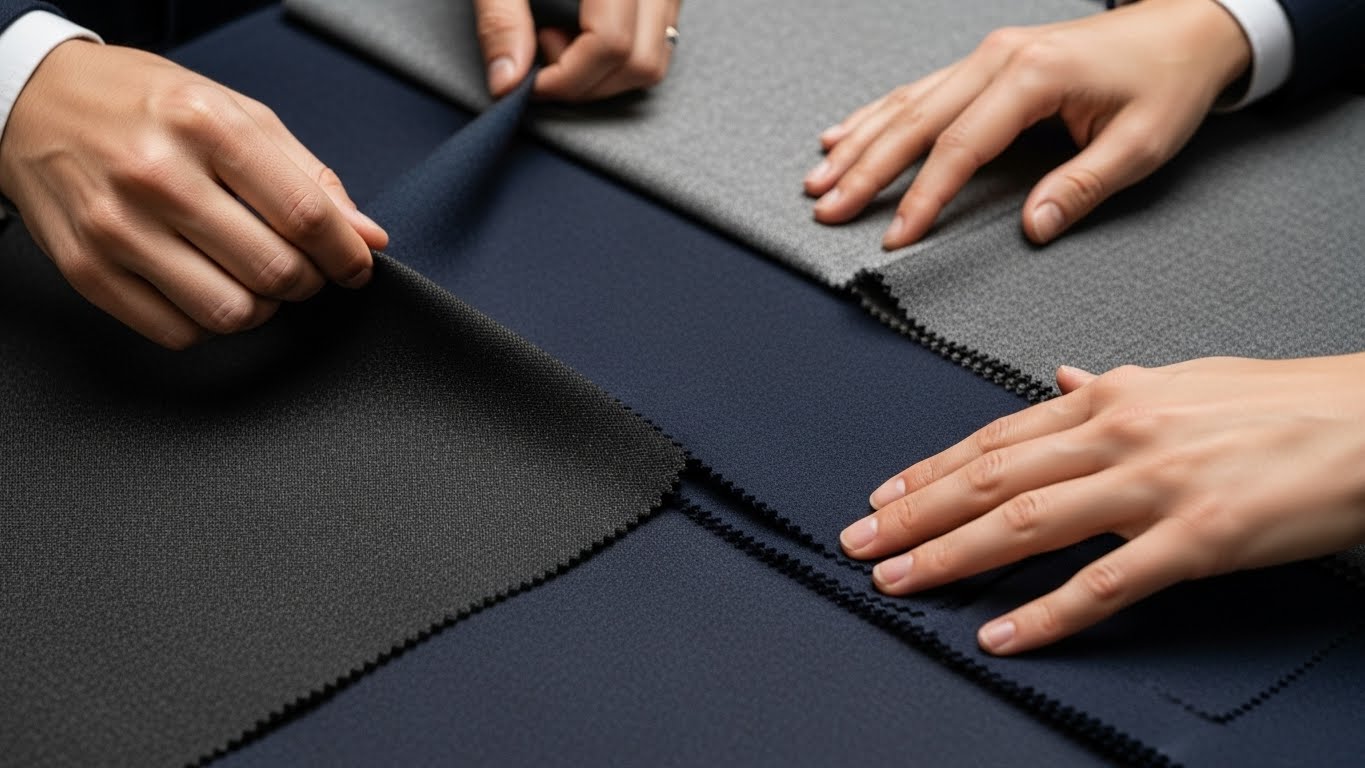
The Impact of Fabric Selection on Style Language
Each fabric represents a specific style language. Some fabrics offer a more formal and dignified look, while others create a more relaxed and modern perception. Therefore, the choice of fabric in a suit is directly related to what the style wants to convey.
When the right fabric is chosen, a suit subtly but powerfully reflects the wearer's character and sense of style. This elevates fabric selection from a simple technical decision to a fundamental building block of style.
The fabric's breathability and all-day comfort.
When choosing fabric for a suit, one often overlooked factor that directly affects the wearing experience is breathability. The air permeability of the fabric helps regulate body temperature and determines the comfort level during prolonged use.
Non-breathable fabrics create discomfort, especially in enclosed spaces and during busy days. This negatively affects not only physical comfort but also how the suit looks throughout the day. Choosing the right fabric eliminates this problem from the start.
Relationship Between Weave Density and Durability
One of the factors determining the quality of a fabric is its weave density. Tightly woven fabrics are more resistant to external influences and retain their shape for longer. This characteristic is particularly evident in the trouser and elbow areas of a suit.
While loosely woven fabrics may feel light and comfortable initially, they can lose their shape over time. Therefore, the weave structure should definitely be considered when choosing suit fabric.
The Impact of Fabric Selection on the Care and Cleaning Process
How often a suit needs cleaning and the maintenance process largely depends on the type of fabric. Some fabrics require delicate care, while others are more durable and easier to clean.
Choosing the wrong fabric can cause a suit to wear out quickly and lose its aesthetic appeal. Therefore, when selecting fabric, not only appearance but also care requirements should be considered.
The Interaction of Fabric with the Body
Suit fabric is made from materials that are in direct contact with the skin throughout the day. The fact that this contact is not uncomfortable is related to the fabric's natural fiber structure and surface quality.
Fabrics that cause itching, stiffness, or heaviness on the skin reduce the enjoyment of wearing a suit. High-quality fabrics, on the other hand, offer a comfortable fit that conforms to the body, ensuring the suit is worn comfortably throughout the day.
Fabric Selection and Professional Appearance
In business attire, fabric choice is a key determinant of professional image when it comes to suits. Fabrics that drape smoothly, don't wrinkle, and retain their shape inspire confidence and seriousness in the other person.
Therefore, the choice of fabric for a suit should be considered not only a matter of individual style preference but also a part of professional communication.
A balance between fabric quality and price.
When buying a suit, price is often the deciding factor. However, there is a direct correlation between price and fabric quality. Lower-priced products generally compromise on fabric quality.
While suits made from high-quality fabrics may require a higher budget initially, they are far more advantageous in the long run. Durable use and a timeless look more than pay for this investment.
Conclusion: Fabric selection in a suit is not a detail, it's fundamental.
While often overlooked in suit selection, fabric is actually central to the entire decision. No matter how perfect the cut, color, and style are, the wrong fabric choice can negate all of them. Fabric is the main factor determining the suit's fit, comfort, suitability for different seasons, and long-term performance.
Choosing the right fabric transforms a suit from a simple, elegant garment into a powerful style statement. Suits that offer all-day comfort, maintain their shape, and exude timeless quality are possible with conscious fabric selection. Therefore, fabric choice in a suit should not be considered a temporary preference, but a long-term style investment.
Frequently Asked Questions (FAQ)
What is the highest quality fabric for a suit?
Wool is generally considered the highest quality suit fabric. Its breathability, durability, and seasonal adaptability offer long-lasting and comfortable wear.
Can a four-season suit fabric really be worn in every season?
While fabrics described as "four-season" offer a wide range of uses, they may not perform as well as specialized seasonal fabrics in extremely hot or very cold weather. Seasonally appropriate fabrics always provide better results.
How much does fabric quality affect the lifespan of a suit?
Fabric quality directly affects the lifespan of a suit. High-quality fabrics retain their shape for a long time, do not pill or deform, and maintain their elegance for years to come.
Is there such a thing as a wrinkle-free suit fabric?
There is no such thing as a completely wrinkle-free fabric; however, fabrics with a strong weave and good fiber balance are much more resistant to wrinkles and offer a smooth appearance throughout the day.
When buying a suit, is the fabric or the cut more important?
Pattern and fabric are two essential elements that complement each other. However, a good pattern can lose its effectiveness with the wrong fabric. Therefore, fabric selection is as important as, or even more important than, the pattern in some cases.
